
Useful tools for answer writing, map practice, revision, and an organised study desk.
Showing 11 products.
Prices and availability can change. Some links may earn UPSCYatra a commission without changing your price.
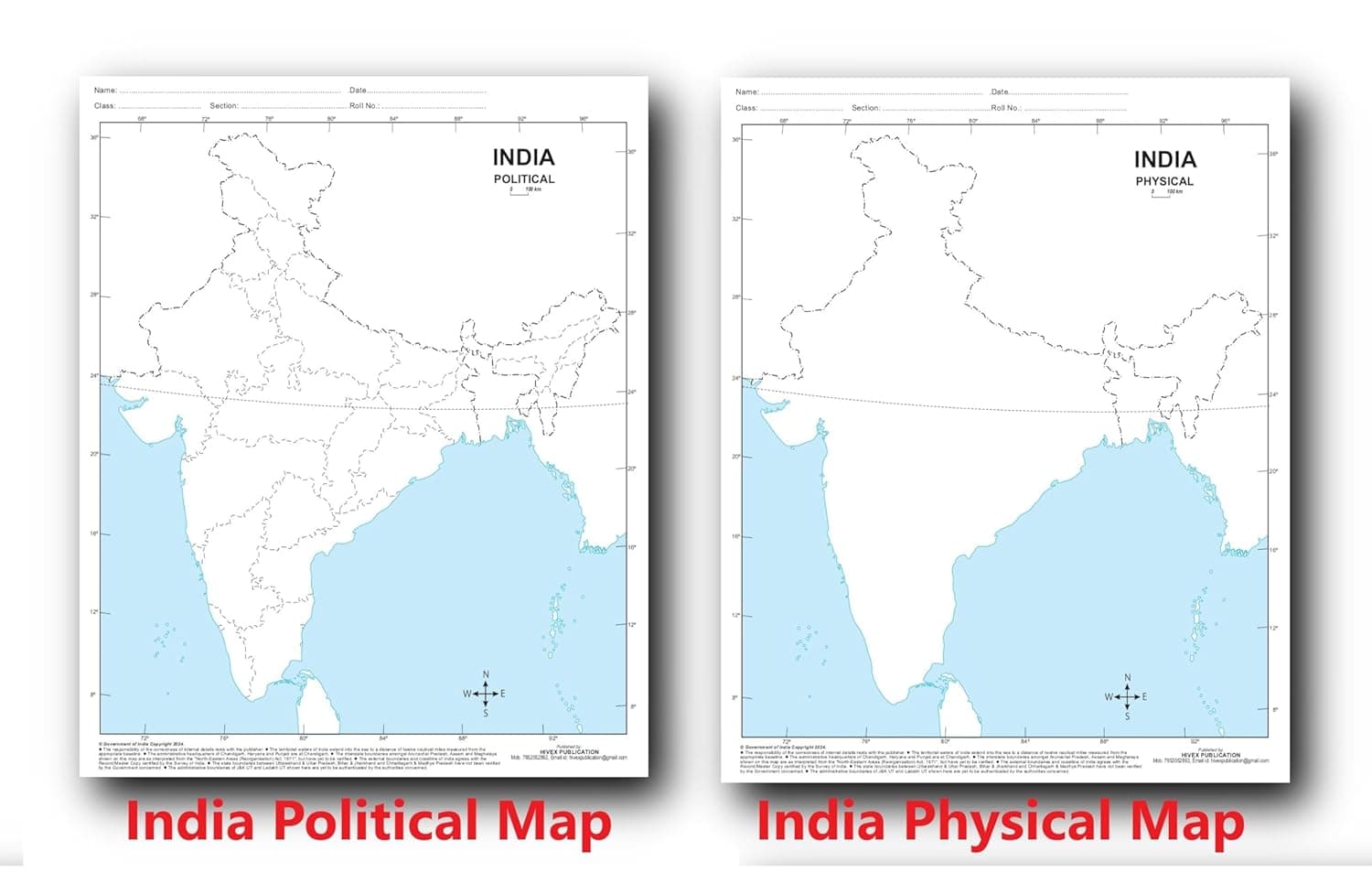
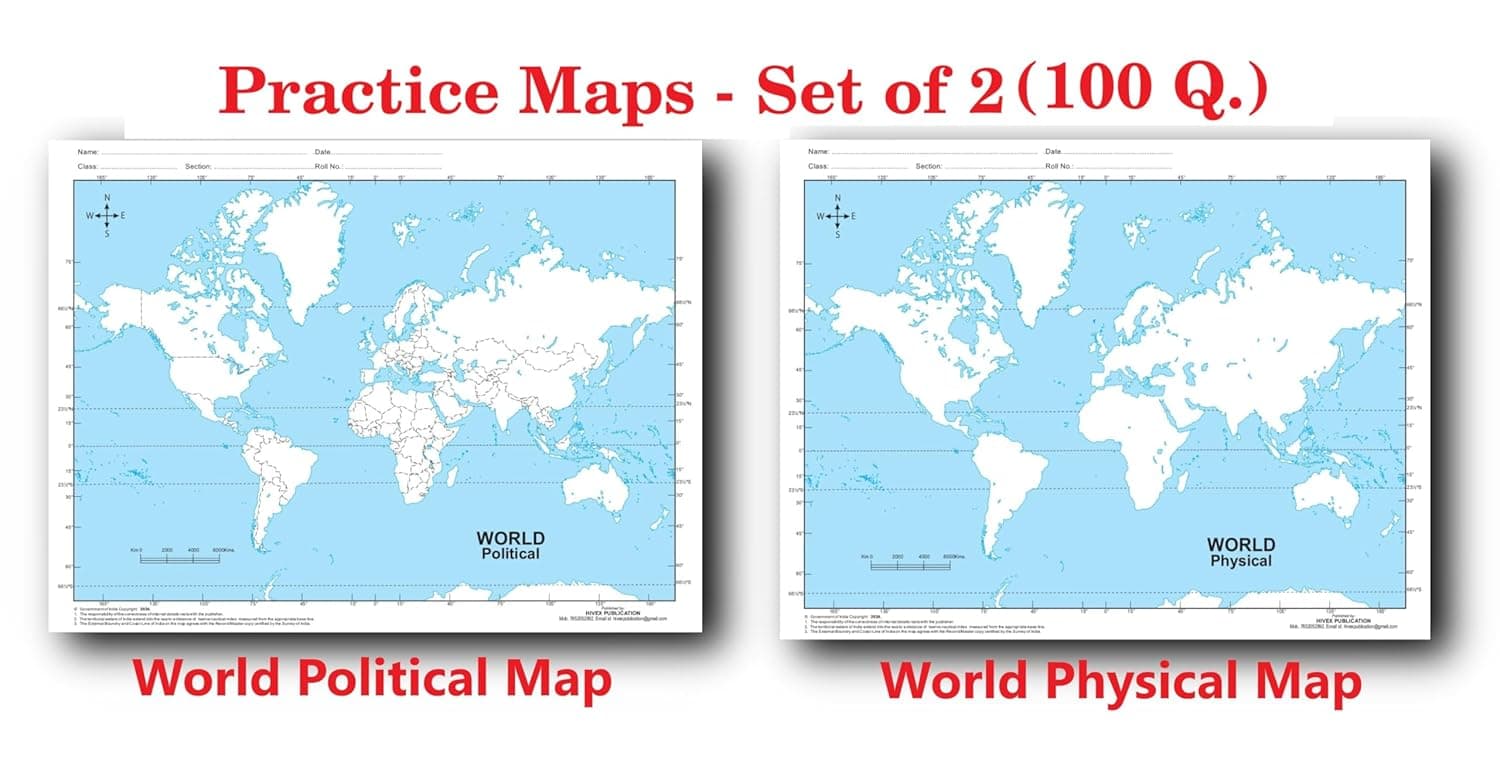
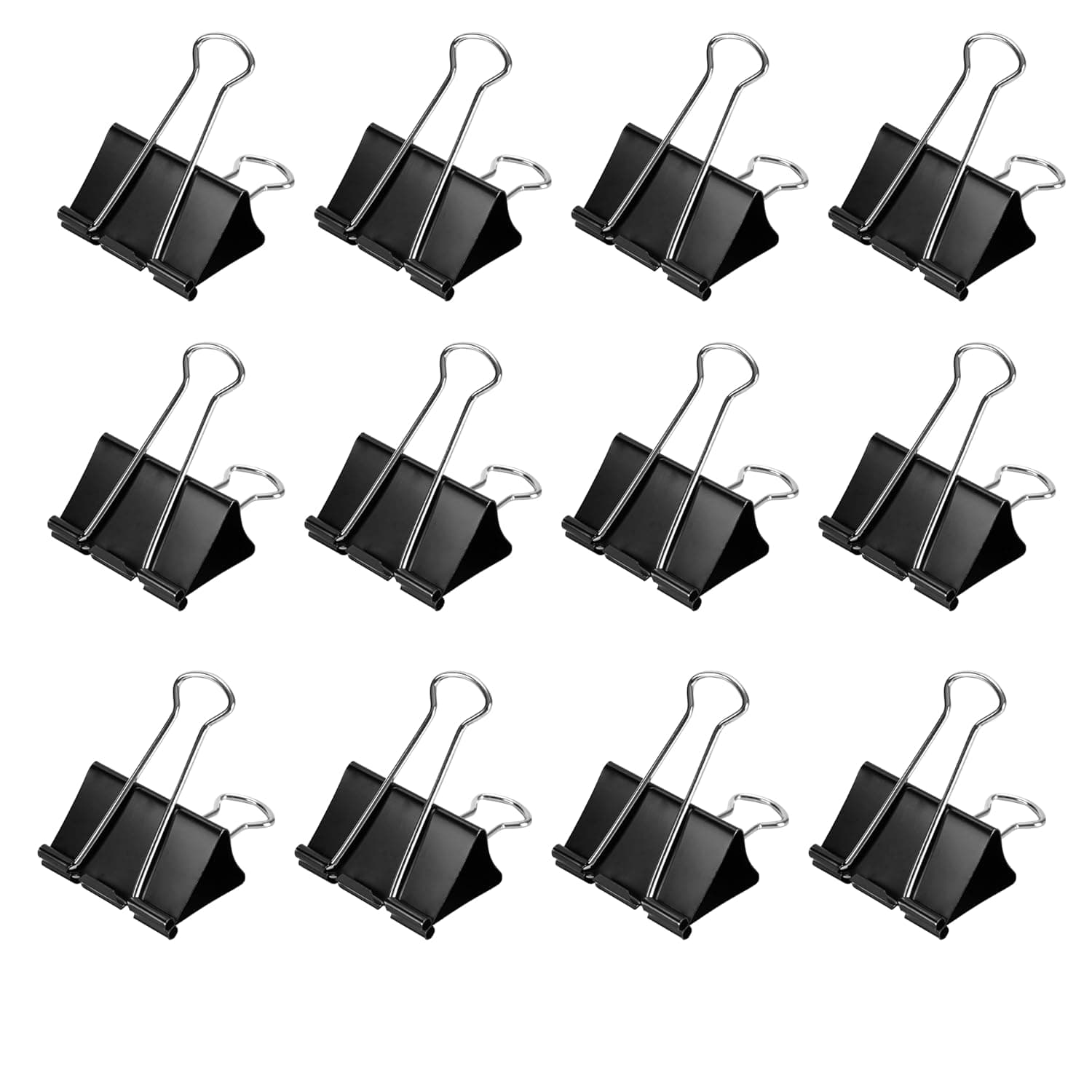
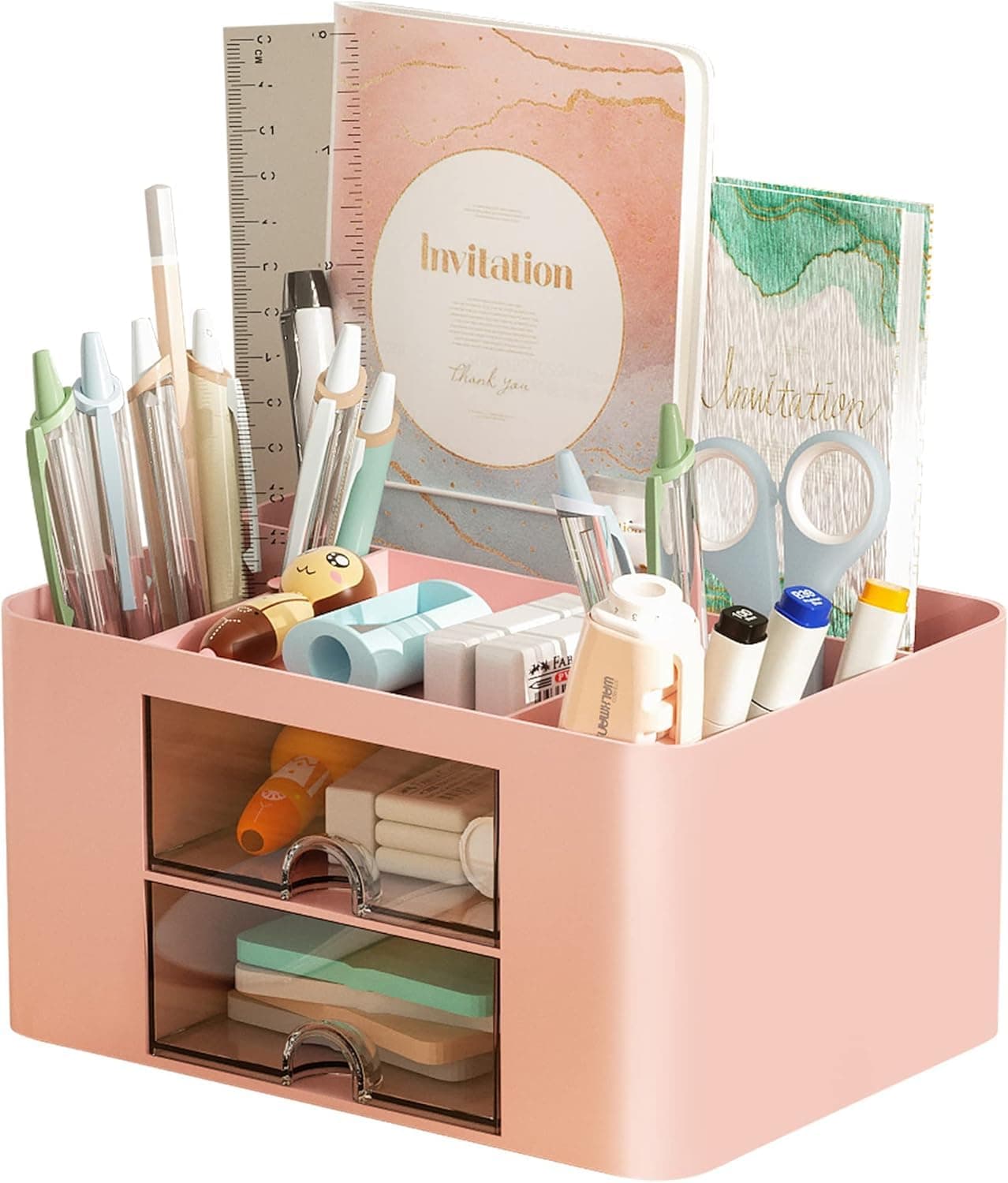
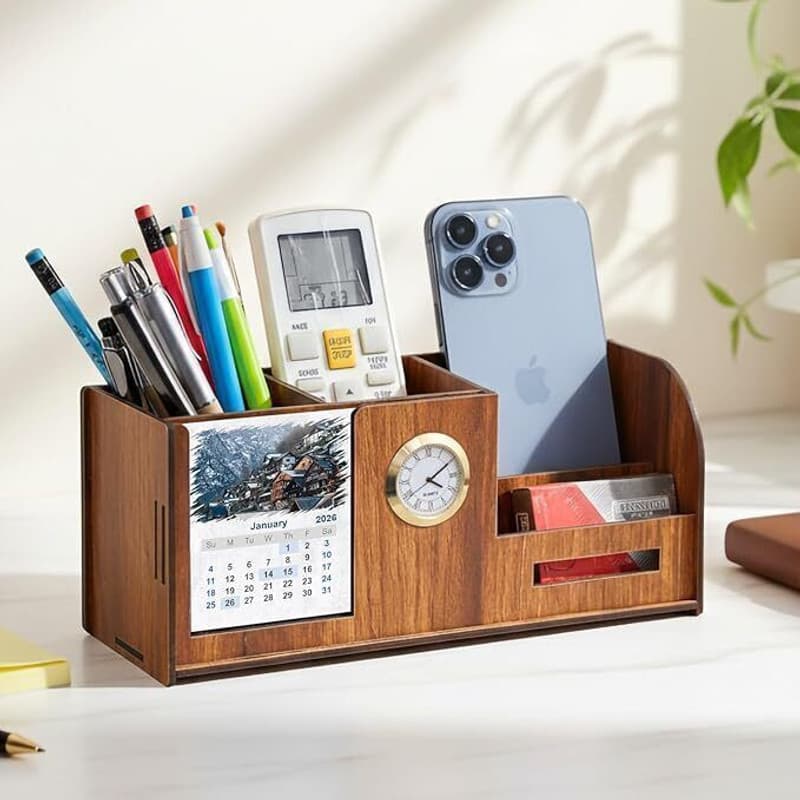
A practical UPSC stationery kit covers four basics: notebooks or blank answer sheets for writing practice, outline maps of India and the world, a reliable pen you can use daily, and simple organisation tools like sticky notes and binder clips. You do not need a large haul — pick items you will actually use every week.
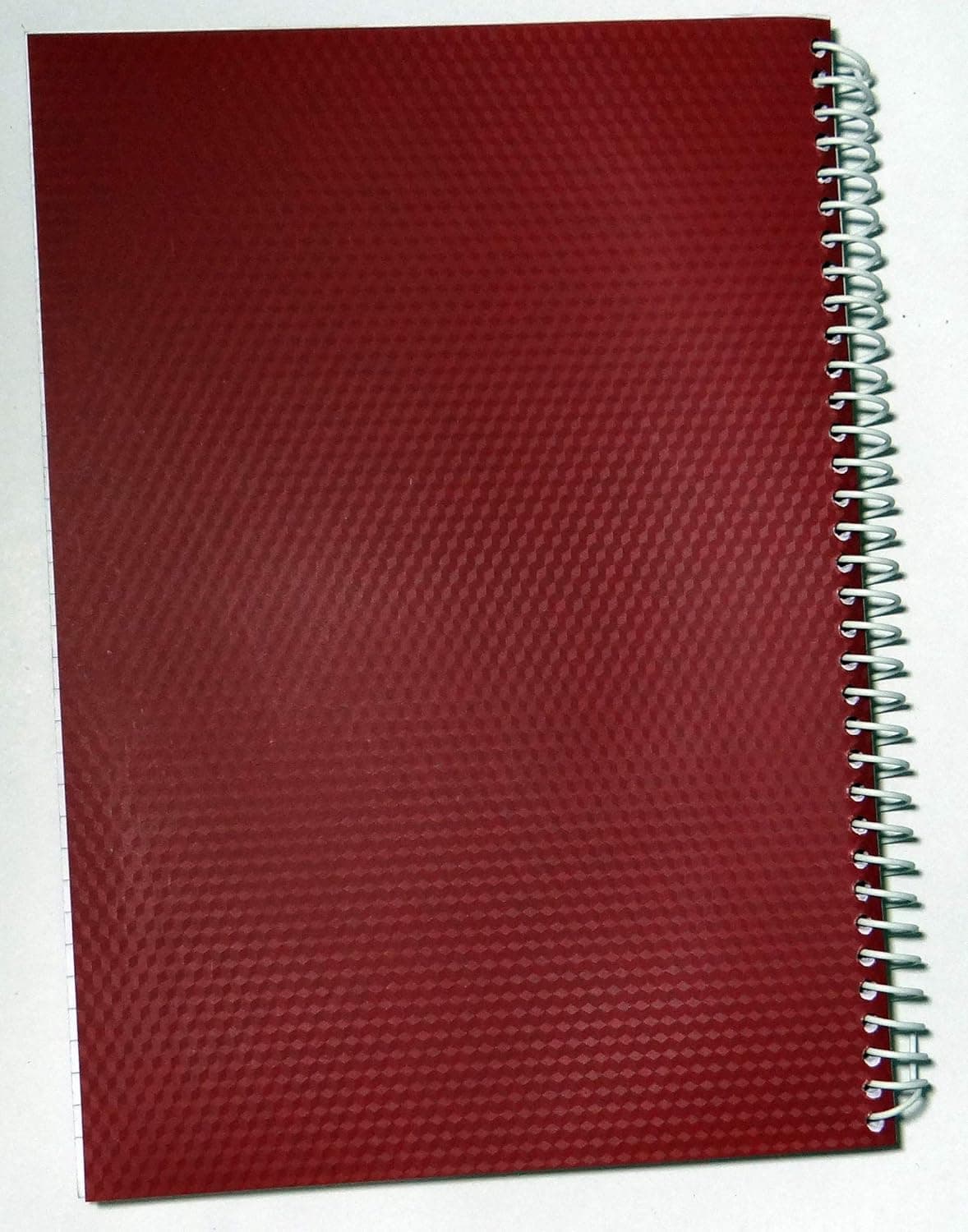
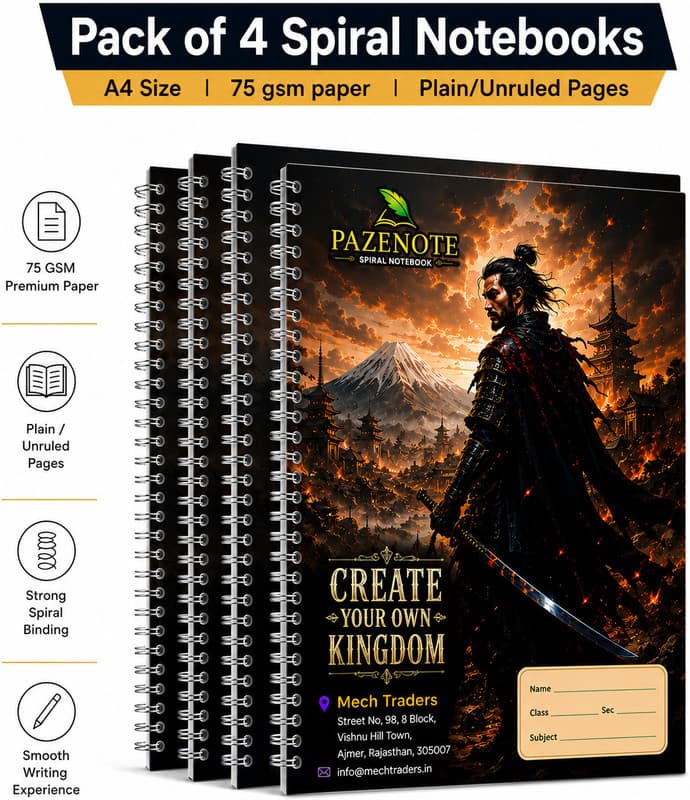
For Mains, spiral-bound A4 notebooks with thick paper (around 70 GSM) work best because they handle long handwriting sessions without bleed-through. Blank answer-writing sheets that match the exam booklet format help you practise margins, spacing, and speed. Keep separate notebooks by subject so revision stays structured.
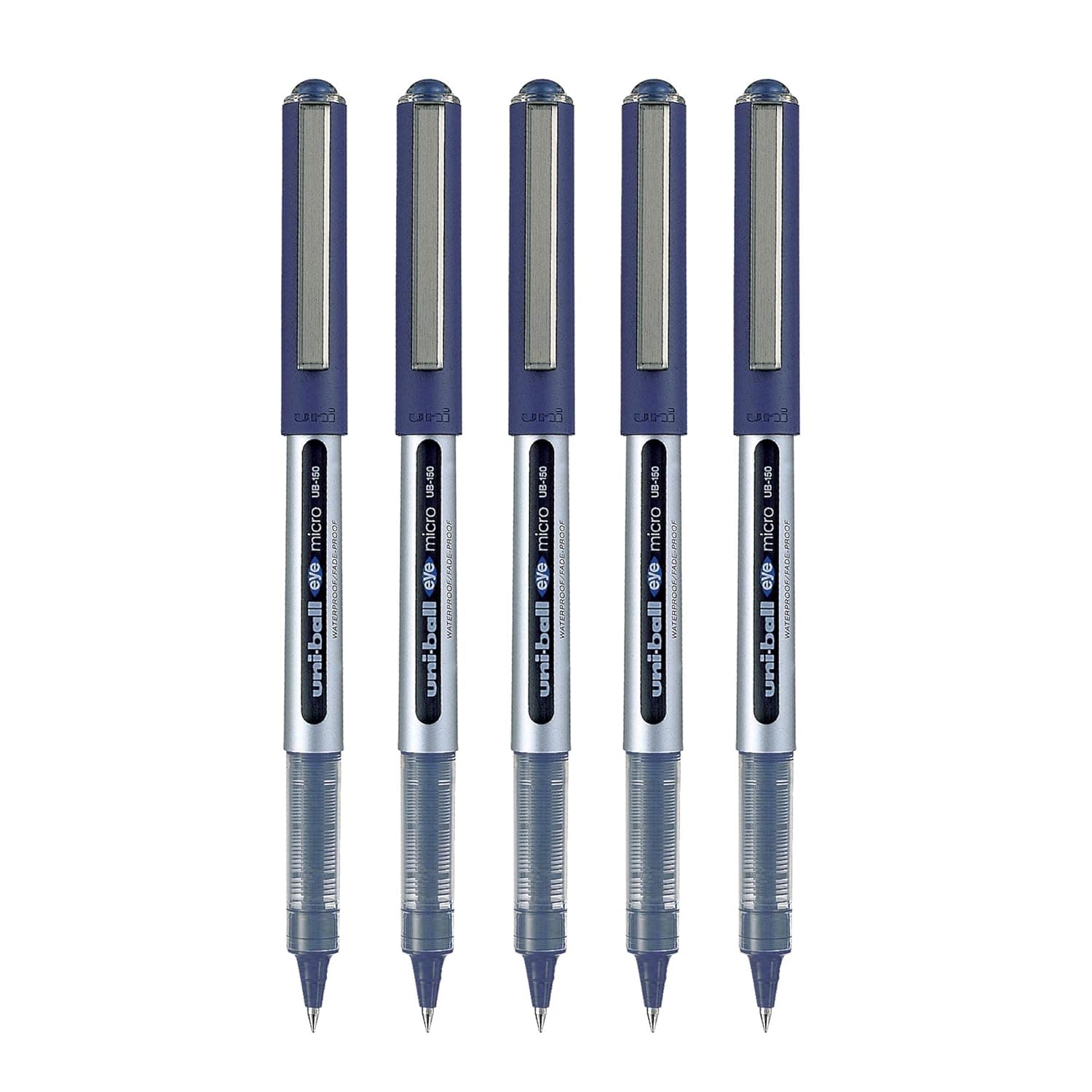
Keep three to five pens of the same model — many aspirants prefer a 0.5 mm rollerball such as uni-ball Eye for smooth, consistent lines. Use one pen daily, stash spares in your bag, and avoid switching brands close to the exam. Familiarity beats variety when you are writing for hours.
Most toppers still lean on handwritten notes for core subjects because writing improves recall and answer structure. Digital tools are useful for clipping current affairs and quick lookups, but Mains reward legible, practised handwriting. A hybrid approach works well: handwrite for retention, digitise only what you need to search later.
Start with NCERTs for Geography, History, and Polity, then add standard references — Laxmikanth for Polity, Spectrum for Modern India, and GC Leong for Geography foundations. Resist buying every recommended title at once; finish one layer before adding the next. See the UPSCYatra books list for the usual progression subject by subject.